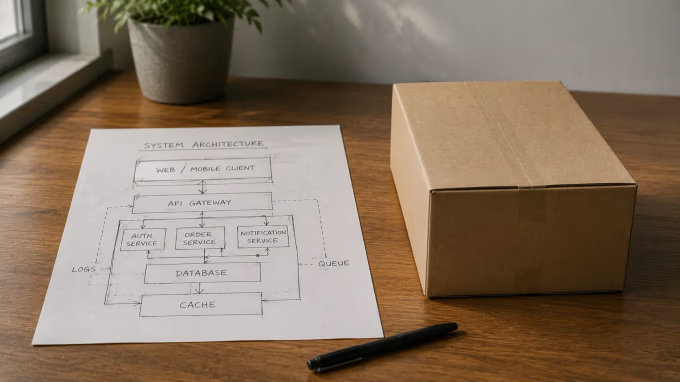
Automating a broken process just lets you do the wrong thing faster. The most valuable hour of any automation project happens before any code is written.
The temptation with automation is to jump straight to the tool. But the projects that fail almost never fail on technology, they fail because nobody understood the process well enough first. Mapping is the cheap insurance that prevents the expensive mistake.
Why automating a mess backfires
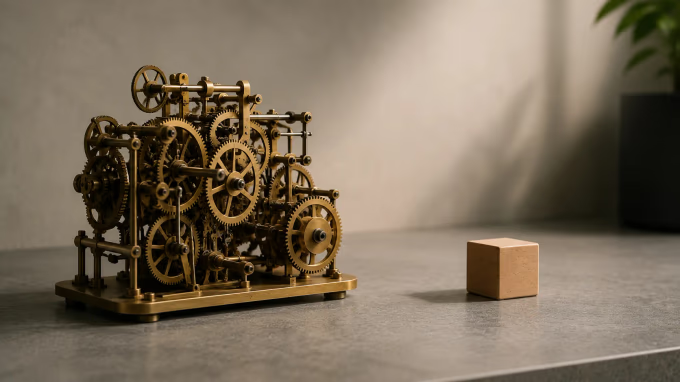
Every manual process has accumulated workarounds, exceptions and undocumented steps that live in people’s heads. Automate it as-is and you hard-code the mess, including the parts that only exist because the old tools were bad. You end up with faster chaos and a system nobody trusts.
How to map a process
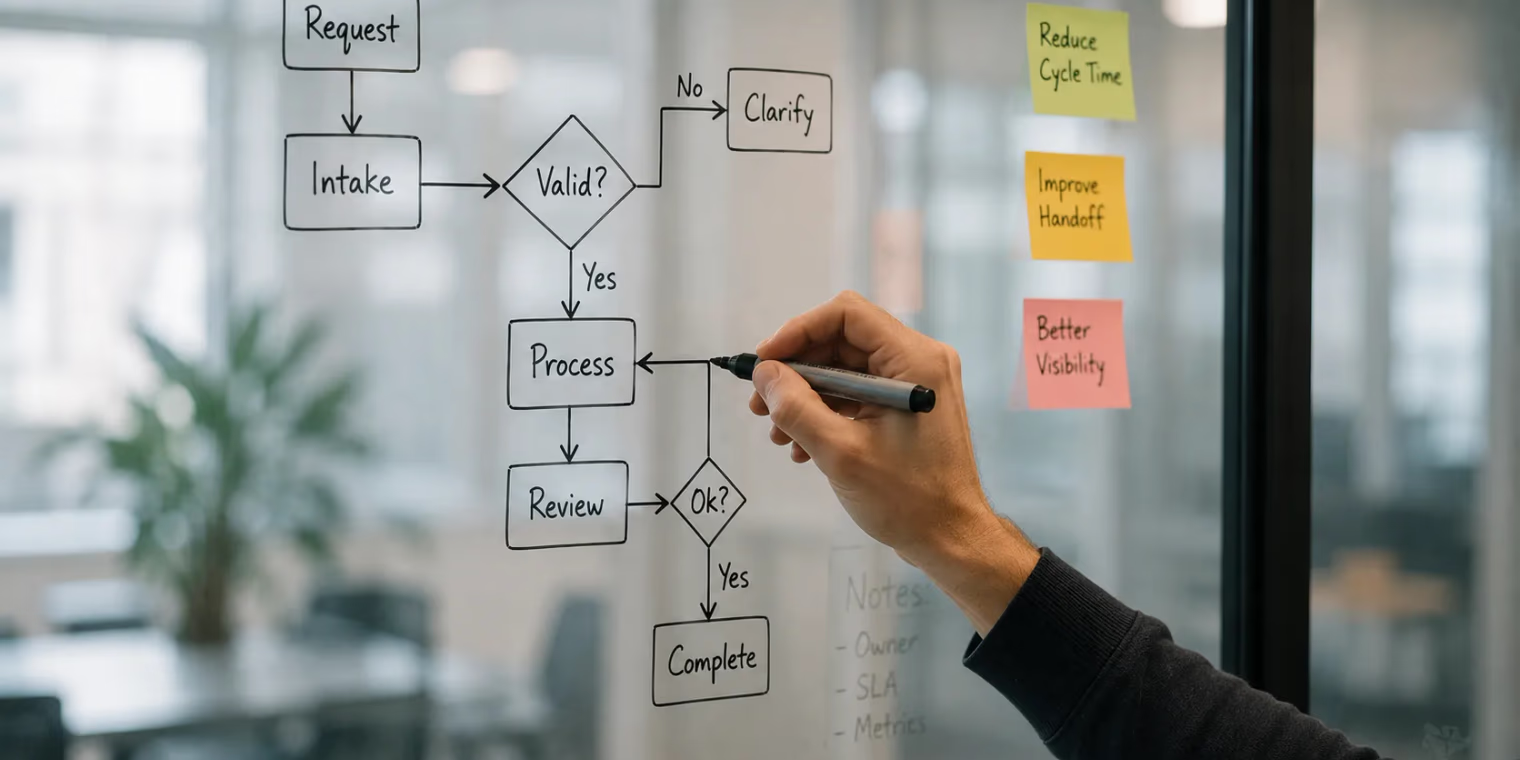
You don’t need fancy software. You need to sit with the people who actually do the work and trace one real example end to end:
- What triggers the process, and what does "done" look like?
- Every step, who does it, and which system it touches.
- Where does work wait, and why?
- What are the exceptions, and how often do they really happen?
Map the process as it truly runs, not as the org chart imagines it runs.
Find the bottleneck first
Mapping almost always reveals that the pain is concentrated in one or two steps, an approval that sits for days, a re-keying step, a report assembled by hand. Automating that single bottleneck often delivers most of the value for a fraction of the effort. Resist the urge to automate everything at once.
Key takeaways
- Automating a broken process just speeds up the problem.
- Trace one real example with the people who do the work.
- Most of the pain hides in one or two steps, fix those first.
- Redesign before you automate; remove steps, then connect systems.
Then, and only then, automate
With a clear map you can redesign, cut the steps that shouldn’t exist, then automate the hand-offs that remain. The result is automation that fits reality, handles the real exceptions gracefully, and actually gets adopted. The mapping hour pays for itself many times over.